


What We Offer
At Proximal, we provide more than just a place to live, we create a nurturing, fun and exciting experiences where children can begin to build trust, develop resilience, and discover their potential.

What We Offer
At Proximal, we provide more than just a place to live, we create a nurturing, fun and exciting experiences where children can begin to build trust, develop resilience, and discover their potential.
Who We Support
We provide specialist support for children.
- Social, Emotional and Mental Health (SEMH) needs ( i.e Low self-esteem, anxiety, or emotional dysregulation)
- Neurodevelopmental needs, including Autism Spectrum Disorder (ASD) and Attention Deficit Hyperactivity Disorder (ADHD)
- Learning difficulties
- Learning Disabilities, mild to moderate learning disabilities
- Attachment difficulties, developmental trauma, and disrupted caregiving histories
- Complex family circumstances, including safeguarding concerns
Who We Support
We provide specialist support for children.
- Social, Emotional and Mental Health (SEMH) needs ( i.e Low self-esteem, anxiety, or emotional dysregulation)
- Neurodevelopmental needs, including Autism Spectrum Disorder (ASD) and Attention Deficit Hyperactivity Disorder (ADHD)
- Learning difficulties
- Learning Disabilities, mild to moderate learning disabilities
- Attachment difficulties, developmental trauma, and disrupted caregiving histories
- Complex family circumstances, including safeguarding concerns

We don’t ask children to fit our home; we shape our home to fit each child
- Proximal

A Warm, And Stable Home
Our setting is designed to feel like home. Children are cared for by emotionally available adults who provide warmth, safety, and presence. The environment is consistent, calm, and relational with clear routines and emotionally attuned responses.
Nurturing Relationships
Every child is met with empathy, curiosity, and patience especially when they are struggling. We know that trust and change happen in the context of safe, reliable relationships, not just structured interventions. We build connection through shared routines, playful moments, co-regulation, and being truly present.
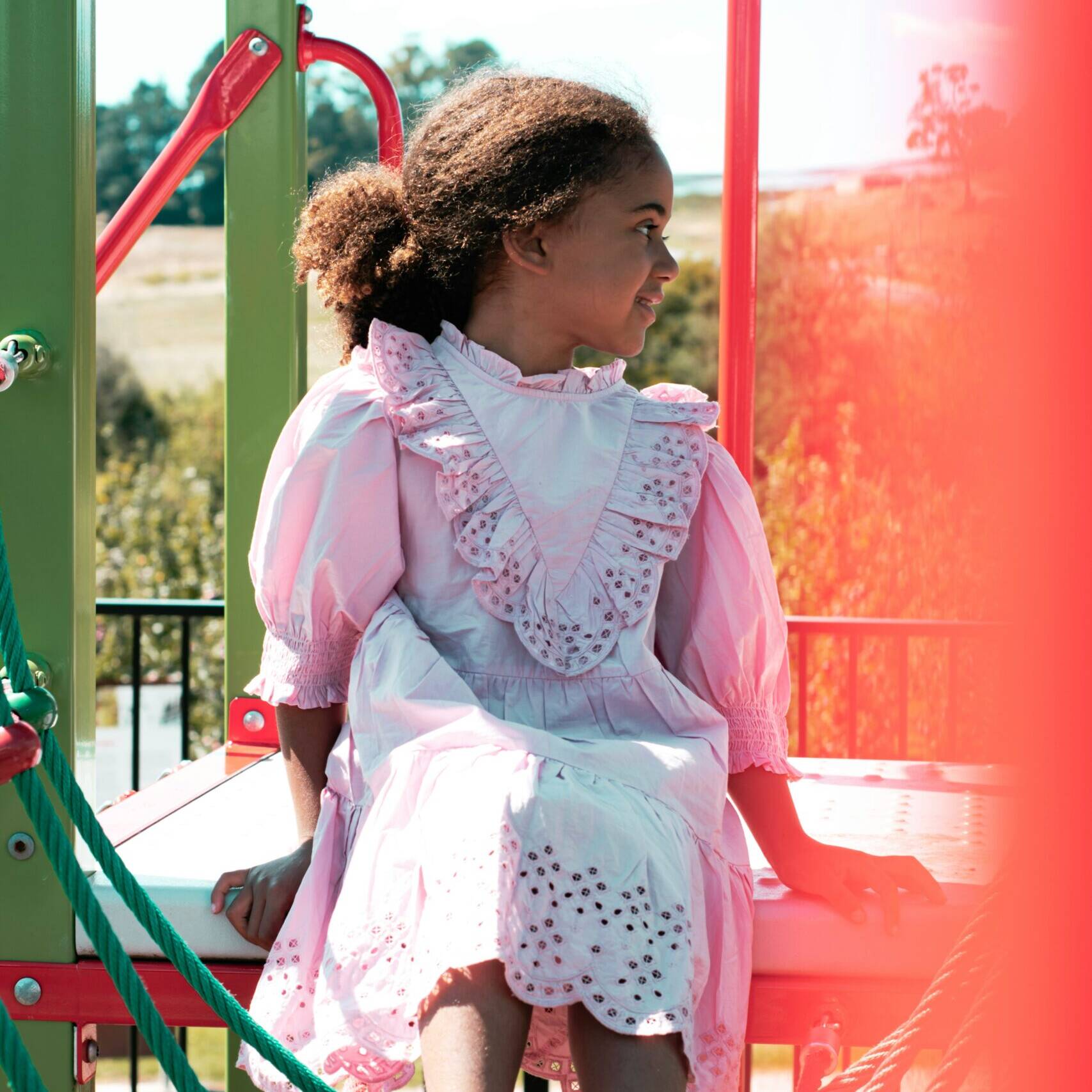
A Warm, And Stable Home
Our setting is designed to feel like home. Children are cared for by emotionally available adults who provide warmth, safety, and presence. The environment is consistent, calm, and relational with clear routines and emotionally attuned responses.
Nurturing Relationships
Every child is met with empathy, curiosity, and patience especially when they are struggling. We know that trust and change happen in the context of safe, reliable relationships, not just structured interventions. We build connection through shared routines, playful moments, co-regulation, and being truly present.
Emotionally and DevelopmentallyInformed Practice
Our care is grounded in an integrated theoretical framework that includes:
Emotionally and DevelopmentallyInformed Practice
Our care is grounded in an integrated theoretical framework that includes:
Attachment Theory
Attachment Theory, as developed by John Bowlby, which highlights the importance of secure, consistent relationships in healthy emotional development;
(Bowlby)
Social Learning Theory
Social Learning Theory, introduced by Albert Bandura, which explores how behaviour is shaped through observation, imitation, and relational reinforcement.
(Bandura)
Bioecological Systems Theory
Bioecological Systems Theory, established by Urie Bronfenbrenner, which recognises that children develop within complex systems of relationships and environments over time.
(Bronfenbrenner)
Attachment Theory
Attachment Theory, as developed by John Bowlby, which highlights the importance of secure, consistent relationships in healthy emotional development;
(Bowlby)
Social Learning Theory
Social Learning Theory, introduced by Albert Bandura, which explores how behaviour is shaped through observation, imitation, and relational reinforcement.
(Bandura)
Bioecological Systems Theory
Bioecological Systems Theory, established by Urie Bronfenbrenner, which recognises that children develop within complex systems of relationships and environments over time.
(Bronfenbrenner)
Who We Support
At Proximal, we do not believe in applying a fixed method or standardised approach. Every child is unique, with individual experiences, identities, learning profiles, and emotional needs. That’s why we work closely with our educational psychologist and consultants to ensure that:
- A range of assessments are conducted to understand children
- Assessments are reviewed and updated regularly as part of an ongoing relational process
Some children may benefit from structured regulation strategies, while others may require individualised support focused on communication, sensory processing, identity development, or relational safety.
Who We Support
At Proximal, we do not believe in applying a fixed method or standardised approach. Every child is unique, with individual experiences, identities, learning profiles, and emotional needs. That’s why we work closely with our educational psychologist and consultants to ensure that:
- A range of assessments are conducted to understand children
- Assessments are reviewed and updated regularly as part of an ongoing relational process
Some children may benefit from structured regulation strategies, while others may require individualised support focused on communication, sensory processing, identity development, or relational safety.
Individualised and Holistic Support
Every child has a personalised care plan co-developed with the young person, their family, and professionals who know them well. Support may include:
- Emotional regulation and social development
- Identity, belonging, and self-worth
- Relational risk reduction and safeguarding
- Support with sensory, behavioural, or learning needs
- Developmental support and scaffolding
Our team responds to children with curiosity and care, ensuring that support is attuned to the child’s development, culture, and context.

Education, Learning, and Aspirations
We support every child to access meaningful learning in school, college, tuition, or alternative provision. We work with Virtual School Heads, SENCOs, and education professionals to:
- Promote inclusion and aspiration
- Address learning needs and SEN
- Support transitions and reintegration
- Explore vocational, creative, or academic pathways
- Identify and nurture each child’s strengths and interests
Life Skills, Finances, and Preparation for Adulthood
Children who are 16+ are supported to build confidence and practical skills for daily living including cooking, budgeting, personal care, timekeeping, and decision-making. As they mature, we introduce age-appropriate opportunities to:
- Learn financial literacy (e.g., bank accounts, budgeting, benefits)
- Access community resources independently
- Prepare for housing, employment, or further education
- Navigate transitions with a trusted network of support
Support with transitions is thought through and never rushed. It is guided by gradual assessment and planning relationships, readiness, and respectful planning.
Individualised and Holistic Support
Every child has a personalised care plan co-developed with the young person, their family, and professionals who know them well. Support may include:
- Emotional regulation and social development
- Identity, belonging, and self-worth
- Relational risk reduction and safeguarding
- Support with sensory, behavioural, or learning needs
- Developmental support and scaffolding
Our team responds to children with curiosity and care, ensuring that support is attuned to the child’s development, culture, and context.

Education, Learning, and Aspirations
We support every child to access meaningful learning in school, college, tuition, or alternative provision. We work with Virtual School Heads, SENCOs, and education professionals to:
- Promote inclusion and aspiration
- Address learning needs and SEN
- Support transitions and reintegration
- Explore vocational, creative, or academic pathways
- Identify and nurture each child’s strengths and interests
Life Skills, Finances, and Preparation for Adulthood
Children who are 16+ are supported to build confidence and practical skills for daily living including cooking, budgeting, personal care, timekeeping, and decision-making. As they mature, we introduce age-appropriate opportunities to:
- Learn financial literacy (e.g., bank accounts, budgeting, benefits)
- Access community resources independently
- Prepare for housing, employment, or further education
- Navigate transitions with a trusted network of support
Support with transitions is thought through and never rushed. It is guided by gradual assessment and planning relationships, readiness, and respectful planning.
Our team pay close attention and are responsive to children’s needs
- Proximal
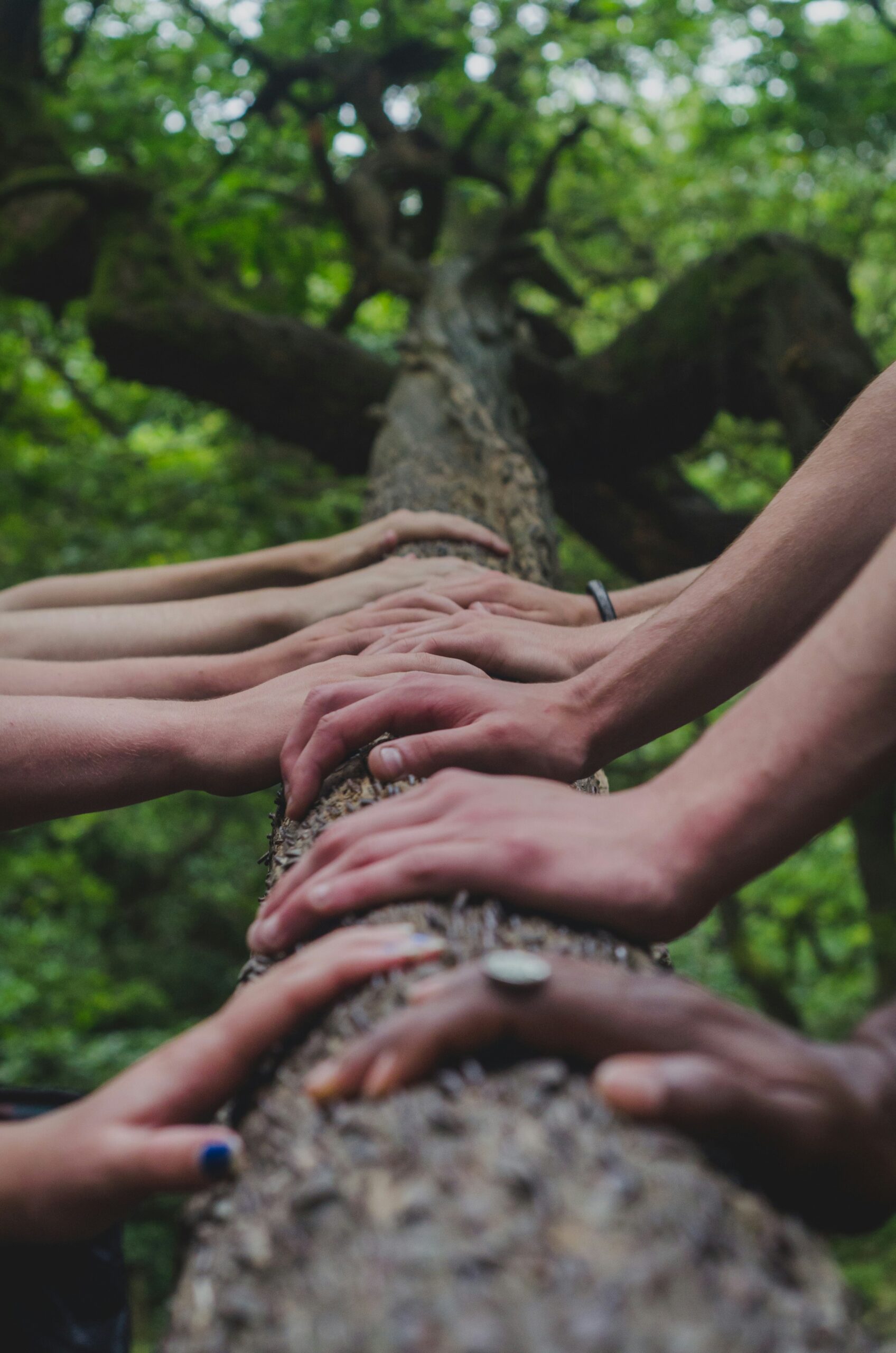
Community, Culture, and Identity
We encourage children to engage with their wider world in ways that are safe, empowering, and aligned with who they are. This includes:
- Taking part in youth groups, clubs, or volunteering
- Exploring culture, faith, and heritage
- Developing safe friendships and social confidence
- Participating in local events, arts, and sports
- Building a sense of belonging and agency in their community
We celebrate each child’s identity, supporting them to feel seen, accepted, and proud of who they are.
Multi-Agency Partnership and Continuity of Care
We believe the best outcomes happen when there is shared understanding and collaboration. We actively work with:
- Social workers and team managers
- Independent Reviewing Officers (IROs)
- CAMHS and specialist mental health services
- LAC Nurses, GPs, and community health professionals
- Educational psychologists and behaviour support teams
- Virtual School Heads and SEND departments
- Youth Justice Service and targeted services
- Families, carers, and people important to the child
We regularly attend care reviews, PEPs, multi-agency meetings, risk strategy discussions, and transition forums. We bring together everyone involved in the child’s care including the child themselves to plan and reflect in ways that are practical, relational, and realistic.

Community, Culture, and Identity
We encourage children to engage with their wider world in ways that are safe, empowering, and aligned with who they are. This includes:
- Taking part in youth groups, clubs, or volunteering
- Exploring culture, faith, and heritage
- Developing safe friendships and social confidence
- Participating in local events, arts, and sports
- Building a sense of belonging and agency in their community
We celebrate each child’s identity, supporting them to feel seen, accepted, and proud of who they are.
Multi-Agency Partnership and Continuity of Care
We believe the best outcomes happen when there is shared understanding and collaboration. We actively work with:
- Social workers and team managers
- Independent Reviewing Officers (IROs)
- CAMHS and specialist mental health services
- LAC Nurses, GPs, and community health professionals
- Educational psychologists and behaviour support teams
- Virtual School Heads and SEND departments
- Youth Justice Service and targeted services
- Families, carers, and people important to the child
We regularly attend care reviews, PEPs, multi-agency meetings, risk strategy discussions, and transition forums. We bring together everyone involved in the child’s care including the child themselves to plan and reflect in ways that are practical, relational, and realistic.
From The Blog
Stay up-to date with Proximal Group News.
From The Blog
Stay up-to date with Proximal Group News.
Nothing found.